If you run a business in the UAE, your leads do not arrive through a single, tidy channel. They come via WhatsApp at 11 pm, through Instagram DMs during lunch, from Google Ads landing pages, referral calls, walk-ins, and email enquiries - often in both English and Arabic. Without a structured system, even a dedicated sales team will miss opportunities. This guide gives you a practical, step-by-step framework to capture, centralise, and convert every single lead.
1. Build a Centralised Lead Inbox
The first step is removing silos. Most UAE businesses have leads scattered across: a personal WhatsApp, a shared company email, a website contact form that emails a generic inbox, an Instagram DM account managed by the marketing team, and a phone number that nobody logs calls for. Each of these is a leak in your funnel.
A unified inbox tool - such as Respond.io, WATI, or HubSpot's conversations module - connects all of these channels into one dashboard. Every new message, regardless of source, creates a conversation thread assigned to a team member. Nothing falls through because no single channel is being monitored in isolation.
For businesses using WhatsApp marketing in Dubai, this step is non-negotiable. WhatsApp Business API allows you to label conversations, assign them to agents, and integrate with your CRM - capabilities you simply do not have on the standard WhatsApp Business app.
2. Add UTM Tracking to Every Digital Campaign
You cannot improve what you cannot measure. UTM parameters are small tags appended to your URLs that tell Google Analytics (and your CRM) exactly which campaign, channel, and ad creative drove a visit - and ultimately a lead.
For every Google Ad, Meta Ad, LinkedIn post, email blast, or SMS campaign you run, build a UTM-tagged URL using Google's Campaign URL Builder. A properly tagged URL looks like this:
When this lead submits the form, your CRM records the UTM values alongside their contact details. Over time, you will know exactly which campaigns produce high-quality leads versus low-converting clicks - and you can shift budget accordingly.
3. Set Up WhatsApp Business Labels and Pipeline Stages
WhatsApp is the dominant communication channel for UAE consumers. According to Statista, WhatsApp penetration in the UAE exceeds 82% of the smartphone-owning population. If you are not systematically labelling and tracking WhatsApp conversations, you are operating blind on your most important channel.
In WhatsApp Business, create labels that mirror your sales pipeline stages:
- New Enquiry - every fresh message gets this label immediately
- Needs Quote - lead has shared requirements, awaiting your proposal
- Quote Sent - proposal delivered, follow-up pending
- Negotiating - active back-and-forth on pricing or scope
- Won - closed and invoiced
- Lost - not proceeding (with a note on reason)
For teams managing Arabic and English enquiries, assign bilingual agents where possible, or use automated response templates in both languages for initial acknowledgements. Speed and language fluency in the first response significantly increase conversion rates in the UAE market.
4. Automate Your First Response - Within 5 Minutes
Research consistently shows that the odds of qualifying a lead drop by 10x after the first hour. In the UAE, where competition is fierce and buyers are comparing multiple vendors simultaneously, a 5-minute response window is the benchmark to aim for during business hours.
Automation bridges the gap. Use your CRM or WhatsApp Business API to send an instant acknowledgement whenever a new enquiry arrives. A good automated message does three things: confirms receipt, sets a realistic expectation for human follow-up, and optionally captures qualifying information (budget, timeline, service needed).
Example WhatsApp auto-reply: “Thank you for contacting Al Wafaa Group. We have received your message and one of our specialists will reach out within 30 minutes during business hours (Mon-Sat, 9am-6pm UAE time). For urgent matters, call us on +971 4 XXX XXXX.”
5. Implement Lead Scoring to Prioritise Follow-Ups
Not all leads are equal. A property developer requesting a full IT infrastructure proposal is worth more of your team's time than a student asking a general question. Lead scoring lets your CRM rank leads automatically so your team always works the highest-value opportunities first.
Assign points based on: company size, budget mentioned, service type, source (e.g. referral scores higher than cold social), urgency signals (“we need this done by Ramadan”), and engagement level (number of messages, pages visited on your site). Sales automation and CRM solutions from Al Wafaa Group include pre-built lead scoring models tailored to UAE B2B sales cycles.
6. Create a Follow-Up Sequence That Does Not Feel Spammy
Most leads do not convert on the first contact. Industry data suggests 80% of sales require 5 or more follow-ups, yet 44% of salespeople give up after one. A structured follow-up sequence - automated but personalised - keeps you in front of leads without manual chasing.
A proven 7-day sequence for UAE B2B leads: Day 1 - immediate automated acknowledgement. Day 2 - personal WhatsApp or call from a named account manager. Day 4 - send a relevant case study or service overview. Day 7 - a brief “just checking in” message with a direct call-to-action. Beyond day 7, move to a monthly nurture sequence unless the lead goes cold.
7. Build a Reporting Dashboard You Actually Review
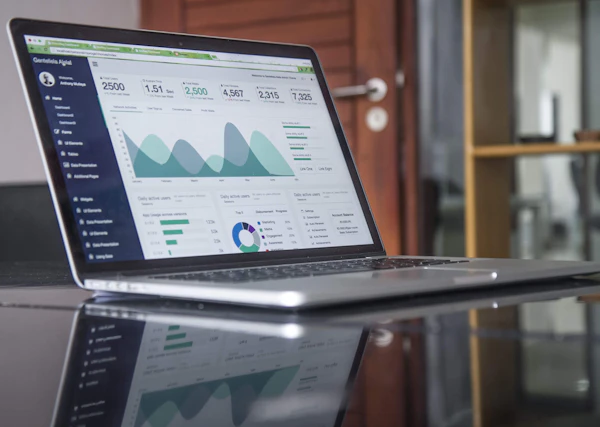
A lead tracking system is only valuable if you use the data. Set up a weekly dashboard that shows: total new leads by channel, response time average, conversion rate from lead to quote, quote-to-win rate, and lost lead reasons. Most CRM platforms - Zoho, HubSpot, Salesforce - include built-in reporting. If you are using a lighter tool, Google Looker Studio can pull data from multiple sources into a single view.
Review this dashboard in your Monday morning team meeting. If WhatsApp response time crept above 15 minutes last week, you address it immediately. If Google Ads leads are converting at 2% while referral leads convert at 18%, you re-allocate budget accordingly. The dashboard turns your lead tracking system into a continuous improvement engine.
Frequently Asked Questions
How do I track leads from WhatsApp in Dubai?+
What is the best lead tracking tool for UAE businesses?+
How quickly should UAE businesses respond to leads?+
How do I handle leads in both Arabic and English?+
Stop Letting Leads Go Cold
Lead tracking is not a technology problem - it is a process problem that technology solves. The businesses winning in the UAE market today are not necessarily spending more on advertising. They are responding faster, following up more consistently, and converting a higher percentage of the enquiries they already receive. Implementing the system described in this article - centralised inbox, UTM tracking, CRM pipeline, automated acknowledgements, lead scoring, and weekly reporting - can double your conversion rate without increasing your marketing budget.
Al Wafaa Group has been helping UAE businesses build and automate these systems since 2002. Whether you need a full CRM implementation, WhatsApp Business API setup, or a custom lead scoring model, our team is ready to build it for you.